Get a Free Development Strategy Consultation
Tell us about your project — we'll respond within 24 hours with tailored recommendations.
What Is Agile Software Development Methodology and How Does It Work?
If you have been researching modern ways to build digital products, you have probably seen the term software
development company mentioned along with "What Is Agile Software Development Methodology." Agile has become
one of the most trusted ways to deliver reliable digital solutions because it focuses on people, flexibility,
continuous improvement, and real outcomes. Today, businesses expect faster releases, better communication, and
solutions that can evolve with market needs. Agile supports all of this through a structured yet adaptive way
of building software that feels natural and transparent for everyone involved.
Understanding what agile software development methodology is is important because you want to know how teams
plan projects, how the work is completed, and why agile often produces better results compared to traditional
methods. The idea is simple. Instead of building the entire software in a long, fixed process, Agile breaks it
into smaller cycles so teams can deliver usable features, gather feedback quickly, and keep improving without
slowing down. This approach works well for small projects, enterprise systems, mobile apps, cloud platforms,
and even products that require ongoing updates.
What Is Agile Software Development Methodology? A Simple, Clear Explanation
Key Point: The easiest way to understand what agile software development methodology is is to think of it as a mindset and a set of practices built around flexibility, collaboration, and continuous delivery. Instead of following a rigid plan, Agile focuses on short cycles of work where the team adds small but meaningful improvements that bring real value to users. This process is driven by the Agile Methodology, Agile values and principles, and the belief that real progress happens when development teams and stakeholders collaborate closely. Agile also stands out from traditional models because it welcomes change. Many companies used to follow the classic waterfall model, where everything had to be decided in advance. In Agile, updates and changes are perfectly normal. They are a sign that the product is improving. This is why Agile vs. Waterfall discussions almost always highlight how Agile encourages adaptability and ongoing learning.
Tip: For businesses focusing on Custom SaaS Product Development, a dedicated team can build and iterate platforms quickly, responding to user feedback and evolving your product efficiently.
1. Key Agile Principles You Should Know
The Agile approach is guided by practical principles that keep teams focused on value. These principles include ongoing communication, simple planning, frequent delivery, and ensuring customer feedback remains at the heart of the process. Teams follow a clear rhythm through the Agile project lifecycle, making sure every cycle ends with something usable, testable, and meaningful.
2. Why Agile Is Different From Traditional Models
Traditional methods make changes difficult because everything must follow a fixed plan. Agile works differently. It gives teams clear structure but also the freedom to adapt at any stage of the software development models. This flexibility is one of the main Agile development benefits that makes it popular among product owners and developers.
How Does Agile Software Development Work? Understanding the Full Agile Workflow Process
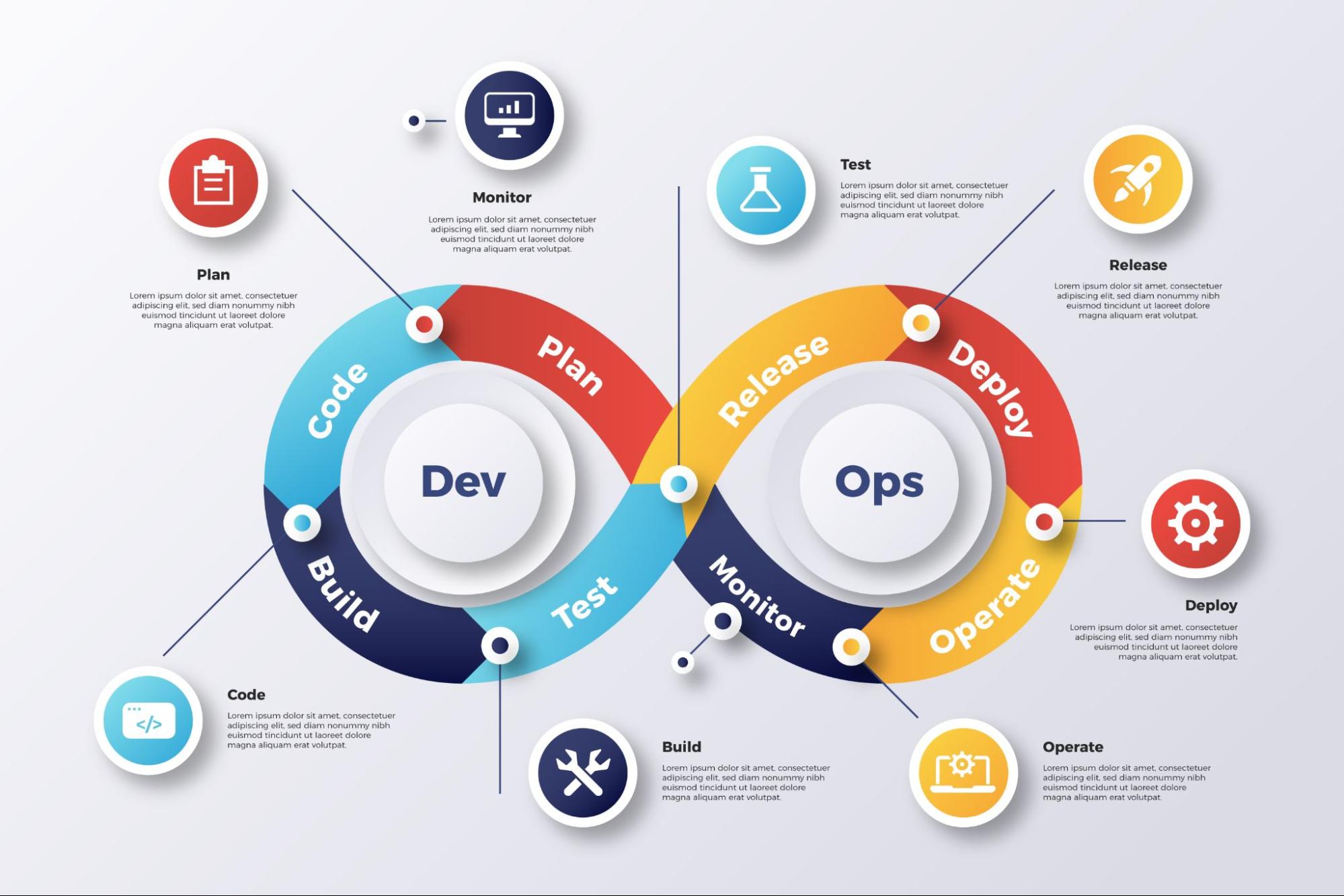
To understand how Agile works in real environments, you need to learn about the Agile workflow process and its iterative development model. Agile development is divided into cycles called iterations. Each iteration includes planning, design, development, testing, and review. At the end of every cycle, the team delivers a small feature or improvement that contributes to the final product. Teams follow the Agile software lifecycle, which keeps development organized, predictable, and efficient. This structure helps a team stay aligned and understand exactly what needs to be built in each phase. It also allows quick responses whenever requirements change.
- How Iterative Development Improves Software Quality
The iterative development process improves software quality because each cycle produces a working version of the product. Testing happens repeatedly instead of waiting until the end, which reduces errors and increases clarity. When users give feedback early, the team can adjust before issues grow larger.
- How Agile Teams Collaborate Successfully
Successful Agile teams rely heavily on open communication and trust. Agile team collaboration encourages designers, developers, testers, analysts, and stakeholders to work together as one. Cross-functional teams make decisions faster and ensure the product stays aligned with real user needs. These cross-functional teams work side by side so improvements can be made quickly and naturally.
If you want to see how a Dedicated Custom Software Development Team can enhance your offshore strategy, check out our page for expert guidance.
Agile Project Management Explained With Scrum Framework and Sprint Planning
Most teams use the Scrum Framework to implement Agile. Scrum gives teams structure through defined events, roles, and responsibilities. The core activities include sprint planning, maintaining a product backlog, and holding daily standups where the team discusses progress, challenges, and priorities.
- What Happens Inside a Scrum SprintA sprint usually lasts one to four weeks. During this time, the team commits to a set of tasks taken from the backlog. Work happens continuously until the sprint is complete. At the end, the team reviews the results and identifies improvements before the next cycle begins. This structure makes Scrum one of the most effective forms of Agile project management.
- Roles of Development Teams in AgileIn the Scrum model, development teams work together to deliver features and updates. Everyone contributes collaboratively, using their strengths to achieve sprint goals. The team is responsible for planning, estimating efforts, and ensuring quality. Strong collaboration is the heart of high-performing Agile environments.
When you tick these boxes, your dedicated team becomes a real accelerator rather than just a resource.
Agile vs. Waterfall Comparison
Below are concise points that explain the key differences:
- Agile delivers small updates; Waterfall delivers one final output.
- Agile improves quality with continuous testing.
- Agile welcomes changes anytime; Waterfall does not.
- Agile suits evolving projects; Waterfall suits stable, predictable projects.
- Agile is flexible; Waterfall is fixed and linear.
Benefits of Agile Methodology for Modern Software Development
There are many benefits of agile methodology, and they all contribute to faster, more reliable deliveries. Agile supports continuous delivery, early feedback, and customer-centric development. These practices reduce risks, improve transparency, and help businesses create digital products that stay relevant.
When teams follow Agile correctly, development becomes predictable and efficient. Collaboration improves naturally, and roadblocks are addressed earlier. Agile also encourages learning and ongoing adaptation, making it ideal for dynamic digital environments.
Real Use Cases of Agile Software Development
Agile is used across industries to build digital systems that need regular updates. Teams working on mobile apps, AI systems, enterprise dashboards, e-commerce platforms, automation tools, or cloud-based software often use Agile to maintain speed and quality.
- When Agile Is the Best FitAgile is ideal for projects where requirements may evolve or where user feedback plays a major role.
- When Agile May Not Be the Best ChoiceAgile might not be ideal for projects that have fixed budgets, rigid timelines, or minimal room for change.
Agile Software Lifecycle: Stages, Activities, and Deliverables
The Agile Software Lifecycle is based on planning, development, testing, evaluation, and release. Each stage leads to better clarity and ensures that every feature is designed with purpose. Because Agile repeats this cycle continuously, the product grows with each iteration.
- How Agile Ensures Faster Delivery Frequent releases help the team deliver valuable features early. This approach helps decision makers see progress in real time and adjust their vision based on market trends.
- How Quality Is Maintained in Agile Teams Quality improves naturally with constant testing, planning, and collaboration. Regular feedback ensures the product stays aligned with user needs throughout the development timeline.
How to Adopt Agile for Your Project Successfully
Adopting Agile is not complicated when you break it into simple steps.
- Start with clear goals and user needs.
- Build a skilled cross-functional team.
- Keep communication open and transparent.
- Use short cycles for delivery and review.
- Involve stakeholders throughout the process.
Here, many teams rely on Custom Software Solutions, to implement Agile more efficiently. When teams follow the right process, the results become consistent and predictable.
Final Thoughts: Why Agile Still Leads in 2025
Agile continues to be one of the most effective ways to manage software development because it delivers real value quickly and keeps teams aligned with user expectations. As businesses move toward more dynamic digital ecosystems, Agile provides a clear pathway for continuous growth, better communication, and long term success. Many organizations prefer working with a trusted software development partner to achieve these results in a reliable and structured way.
If you want to explore development planning, understand Software Development Cost 2026, or discuss how Agile can support your next digital product, feel free to get in touch with us.
Frequently asked Question
Agile is a flexible way of building software using short development cycles, continuous feedback, and small, frequent releases instead of one long process.
Agile works in short cycles called iterations. Teams plan, design, develop, test, and review small features, then improve the product step by step.
Agile provides faster delivery, better quality, improved communication, early feedback, and the ability to adapt to changes throughout the project.
Agile is flexible and iterative, while Waterfall is linear and fixed. Agile allows changes at any stage, but Waterfall requires everything to be planned in advance.
Scrum is a popular Agile framework that uses sprints, daily standups, sprint reviews, and a product backlog to help teams deliver features quickly and consistently.
The Agile lifecycle includes planning, backlog creation, development, testing, review, and release. This cycle repeats until the final product is complete.
Agile supports continuous delivery, quicker improvements, and user-centred development. It helps teams deliver features faster and adapt to changing needs.
Most digital projects can use Agile, especially those needing regular updates. However, highly fixed-scope projects may prefer structured models like Waterfall.