Get a Free Development Strategy Consultation
Tell us about your project - we'll respond within 24 hours with tailored recommendations.
How to Choose a Custom Software Company in the USA
To choose the right custom software company in the USA, evaluate their domain experience, technical expertise, engagement model, communication standards, and post-launch support before signing anything. This checklist gives you a structured way to make that decision with confidence.
Choosing the wrong software development partner is one of the most expensive mistakes a growing business can make. Missed deadlines, bloated budgets, poor code quality, and abandoned projects are all common outcomes when vendor selection is rushed or based on the wrong criteria.
This guide gives you a practical 10-point checklist to evaluate any custom software company in the USA, so you walk into every discovery call prepared and walk away with the right partner.
Why Vendor Selection Matters More Than Ever in 2026
The software development market in the USA is larger and more fragmented than it has ever been. You'll find thousands of companies offering custom application development services, ranging from boutique studios to large IT outsourcing firms.
The challenge isn't finding options. It's knowing how to separate genuine partners from vendors who will overpromise and underdeliver.
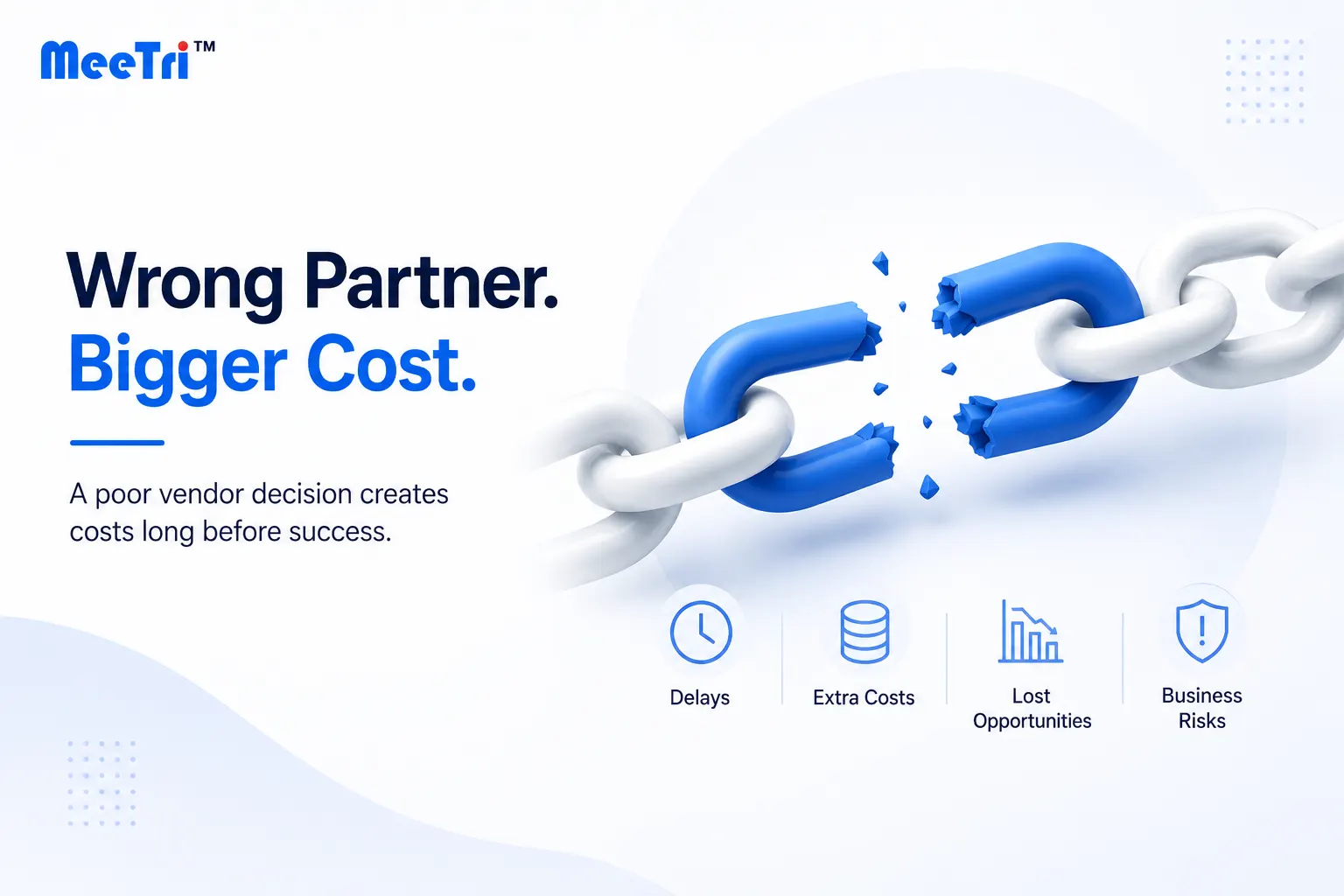
A structured software RFP checklist approach helps you cut through that noise and evaluate every company on the same objective criteria, regardless of how polished their website looks or how confident they sound on a call.
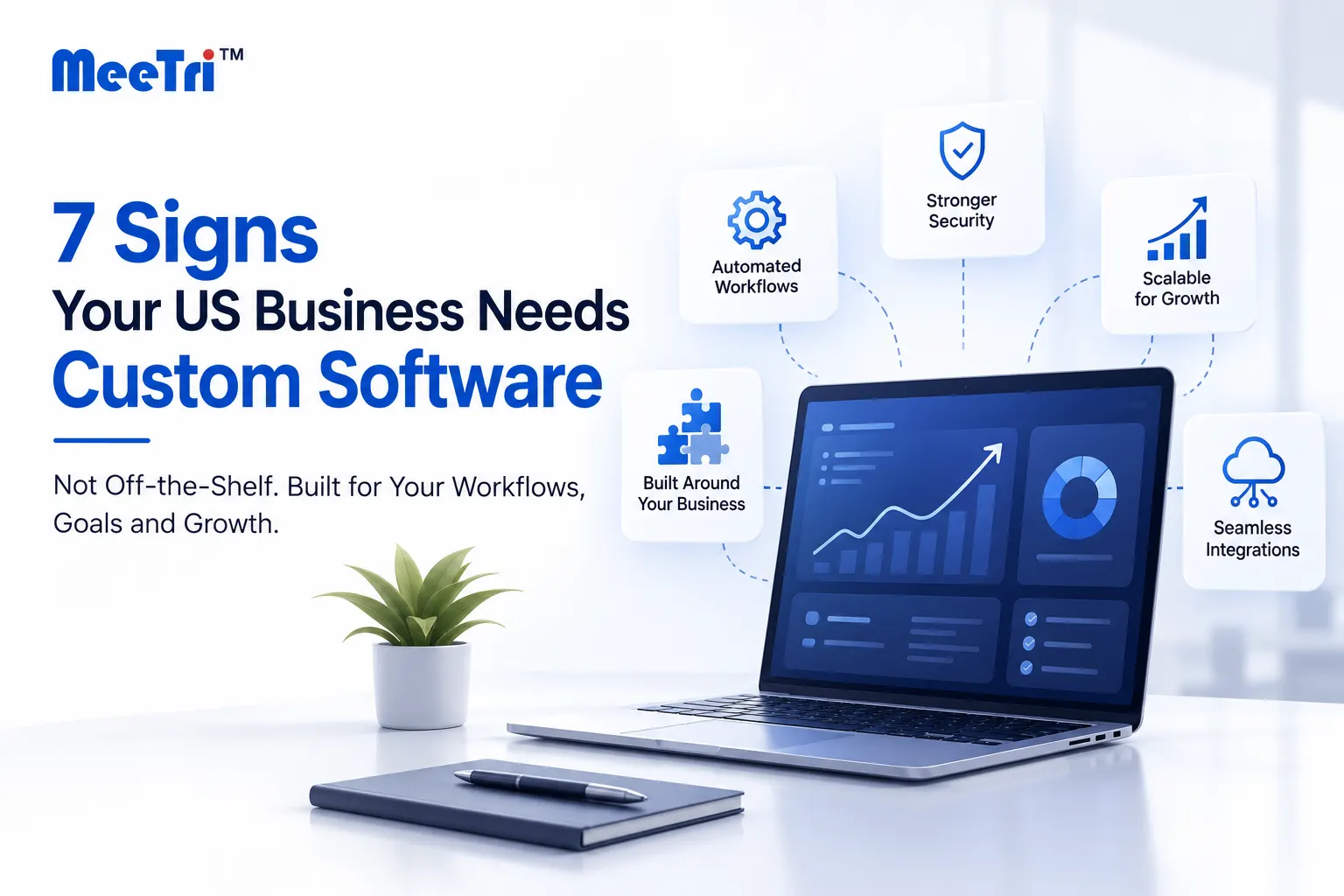
If you're still weighing whether custom software is the right move at all, it helps to first understand when to build custom software before investing time in vendor evaluation.
The 10-Point Checklist to Choose a Custom Software Company in the USA
1. Verify Their Domain Experience, Not Just Their Tech Stack
A company that has built software for retail, healthcare, fintech, or logistics will understand your domain constraints, your compliance requirements, and your users in ways a generalist never will.
Ask to see case studies from your industry specifically. If they can't show you relevant examples, that's a meaningful data point.
Domain experience shortens your discovery phase, reduces miscommunication, and produces better output because the team already understands the context your software will operate in.
2. Assess Their Technical Expertise Against Your Actual Needs
Tech expertise matters, but only when it maps to what you're actually building. A team skilled in mobile-first consumer apps isn't automatically the right fit for a B2B enterprise platform with complex integrations.
Ask directly: what languages, frameworks, and infrastructure tools do they use, and why. A confident team will explain their choices in plain language. A weak team will either speak in jargon or give you a generic list of buzzwords.
Also ask how they handle legacy system integration, API development, and security architecture. These aren't optional extras, they're core to most business software builds.
3. Understand Their Engagement Model Before You Commit
Different projects need different structures. A fixed-price contract works when requirements are clear and stable. A time-and-materials model works better when you're building something exploratory. A dedicated software development team model works best for long-term products that will evolve over time.
Make sure you understand exactly what you're agreeing to before you sign. Ask what happens when scope changes, who owns the intellectual property, and how the contract handles missed milestones.
The engagement model determines your level of control, your financial exposure, and how easy it is to course-correct if something goes wrong.
4. Ask for Client References and Actually Call Them
A vendor portfolio tells you what a company has built. Client references tell you what it was actually like to work with them.
Request two or three references from projects similar in size and complexity to yours. Ask those clients directly: did the team communicate consistently? Were timelines respected? How did they handle problems when they came up? Would you hire them again?
This is due diligence that most buyers skip, and it's where the clearest picture of a company's real delivery culture emerges.
5. Evaluate Their Discovery and Planning Process
How a company runs its discovery phase tells you almost everything about how the rest of the project will go.
A strong software development partner will ask detailed questions about your business goals, your users, your existing systems, and your success metrics before they start talking about technology. They'll document requirements thoroughly, flag risks early, and produce a clear project roadmap before development begins.
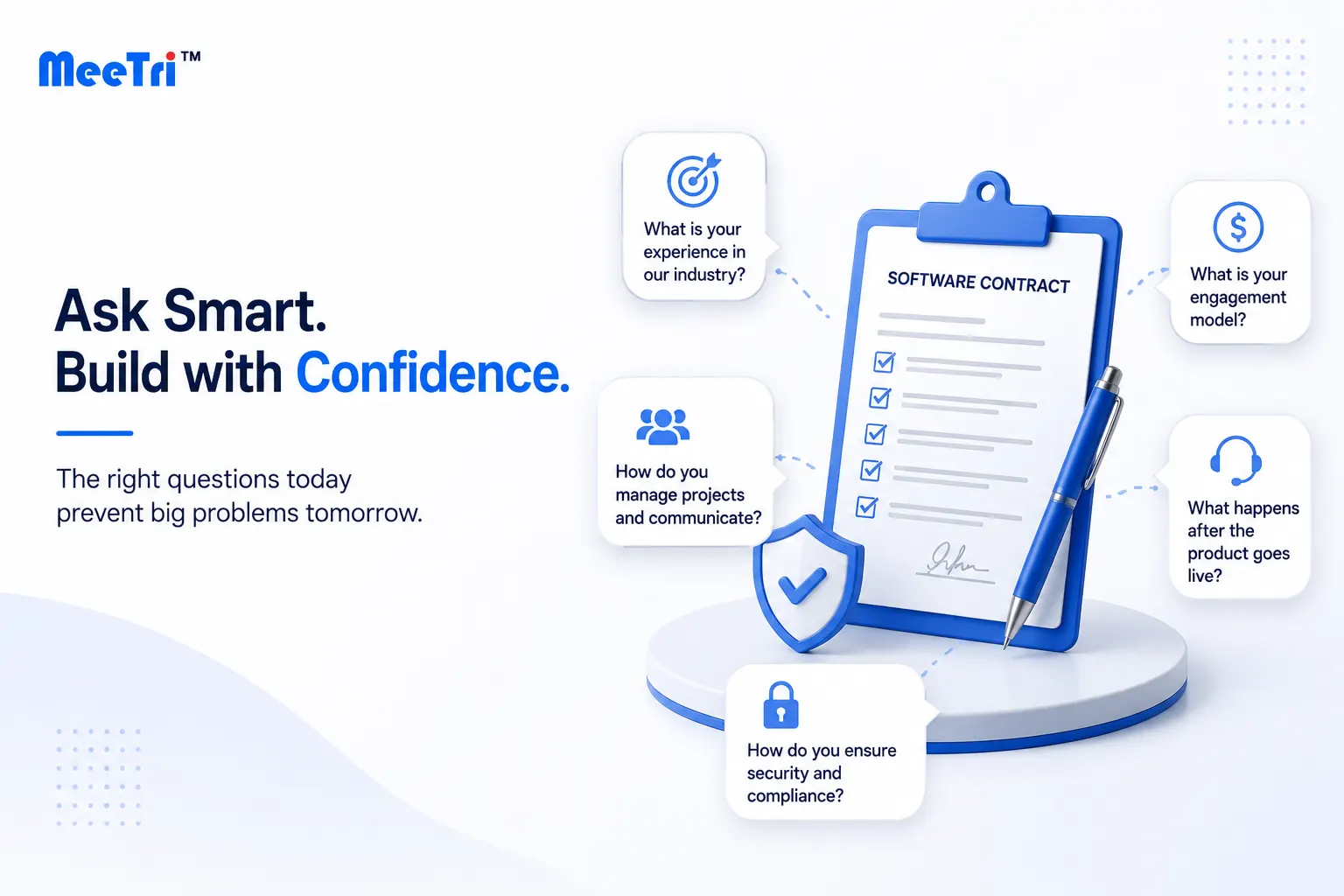
If a company is eager to start coding before they fully understand your problem, that's a serious red flag. Projects built on vague requirements almost always run over budget and underdeliver.
6. Confirm Their Security and Compliance Standards
Security isn't a feature you add at the end of a project. It's an architectural decision made at the start.
Ask how the company approaches data security, access control, and vulnerability testing. If your business operates in a regulated sector or handles sensitive customer data, ask specifically about their experience with relevant compliance frameworks.
Also confirm they're willing to sign an NDA agreement before any detailed discussions about your systems, data, or business logic begin. Any reputable partner will do this without hesitation.
7. Test Their Communication Before You Sign Anything
Poor communication is the leading cause of failed software projects. Not technical failures, not budget issues. Communication failures.
Before committing, run a discovery call and pay attention to how they listen, how they respond to ambiguous questions, and how clearly they explain their process. Do they ask smart follow-up questions? Do they acknowledge uncertainty honestly or gloss over it?
Ask how they'll report progress, how often, and through which tools. Ask who your primary point of contact will be and whether that person will remain consistent throughout the project.
8. Understand What Happens After Launch
Post-launch support is where many vendor relationships fall apart. A company that delivered a solid product but disappears afterward leaves you managing technical debt alone.
Ask about their approach to bug fixing after go-live, how they handle feature requests, and what a long-term maintenance relationship looks like with their team.
If you're planning to scale the product over time, you need a partner who will still be available and invested in your success six months and two years after the first release.
Need a structured vendor review before you commit?
Share your goals and constraints with a team that can help you evaluate scope, risks, cost, and delivery fit before development begins.
9. Get Clarity on Costs and Budget Transparency
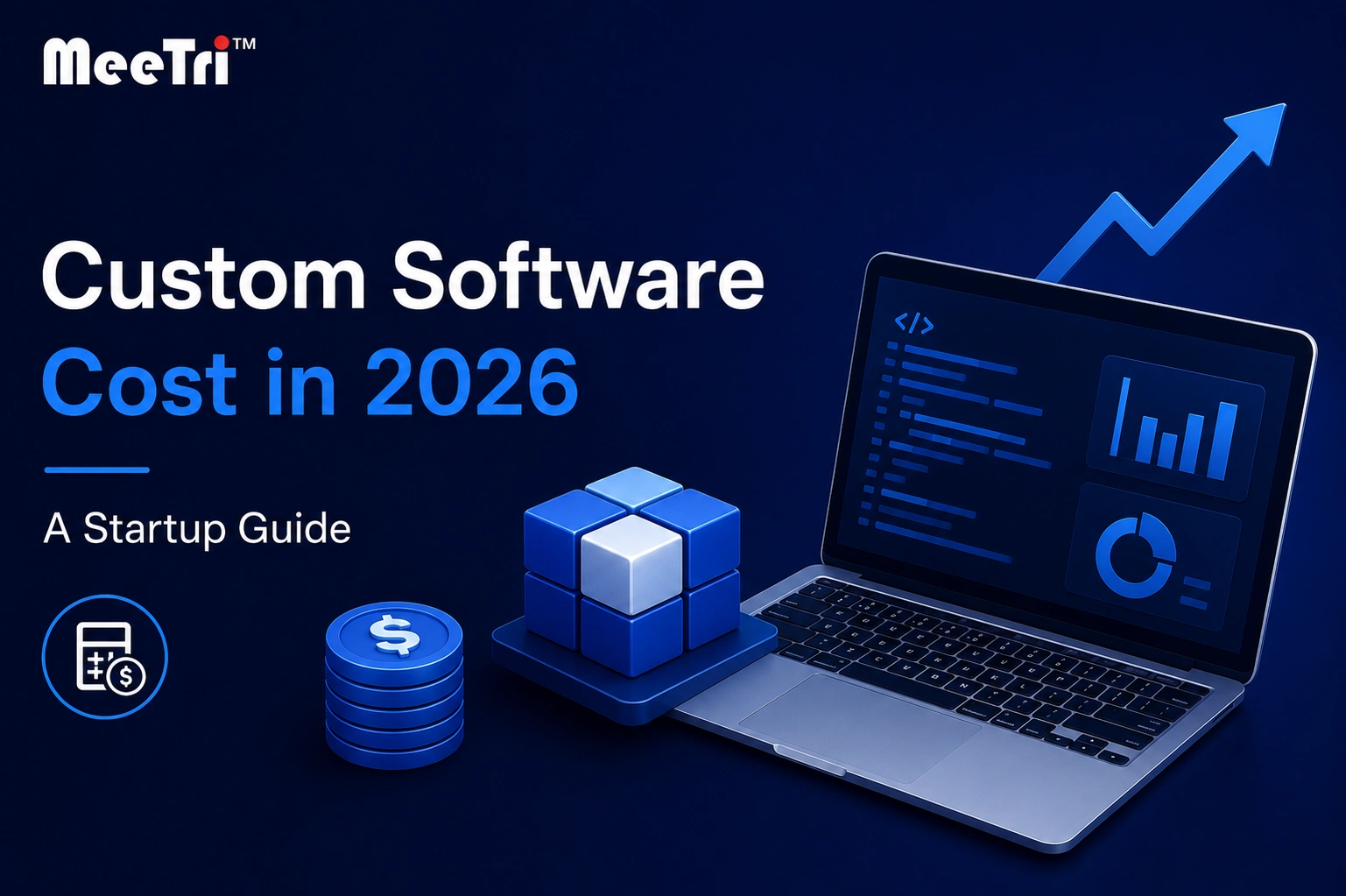
Understanding Custom Software Cost USA upfront prevents the most common source of project tension: budget surprises.
Ask how they price their work, what's included in the quoted scope, and what triggers additional costs. Ask for a detailed breakdown of how they've estimated timelines and resource needs for similar projects.
A trustworthy partner will give you a realistic range based on comparable work, explain the variables that could move costs up or down, and be transparent about where uncertainty exists in their estimates.
Avoid vendors who give you an unusually low quote to win the contract. Artificially low estimates almost always become expensive surprises later.
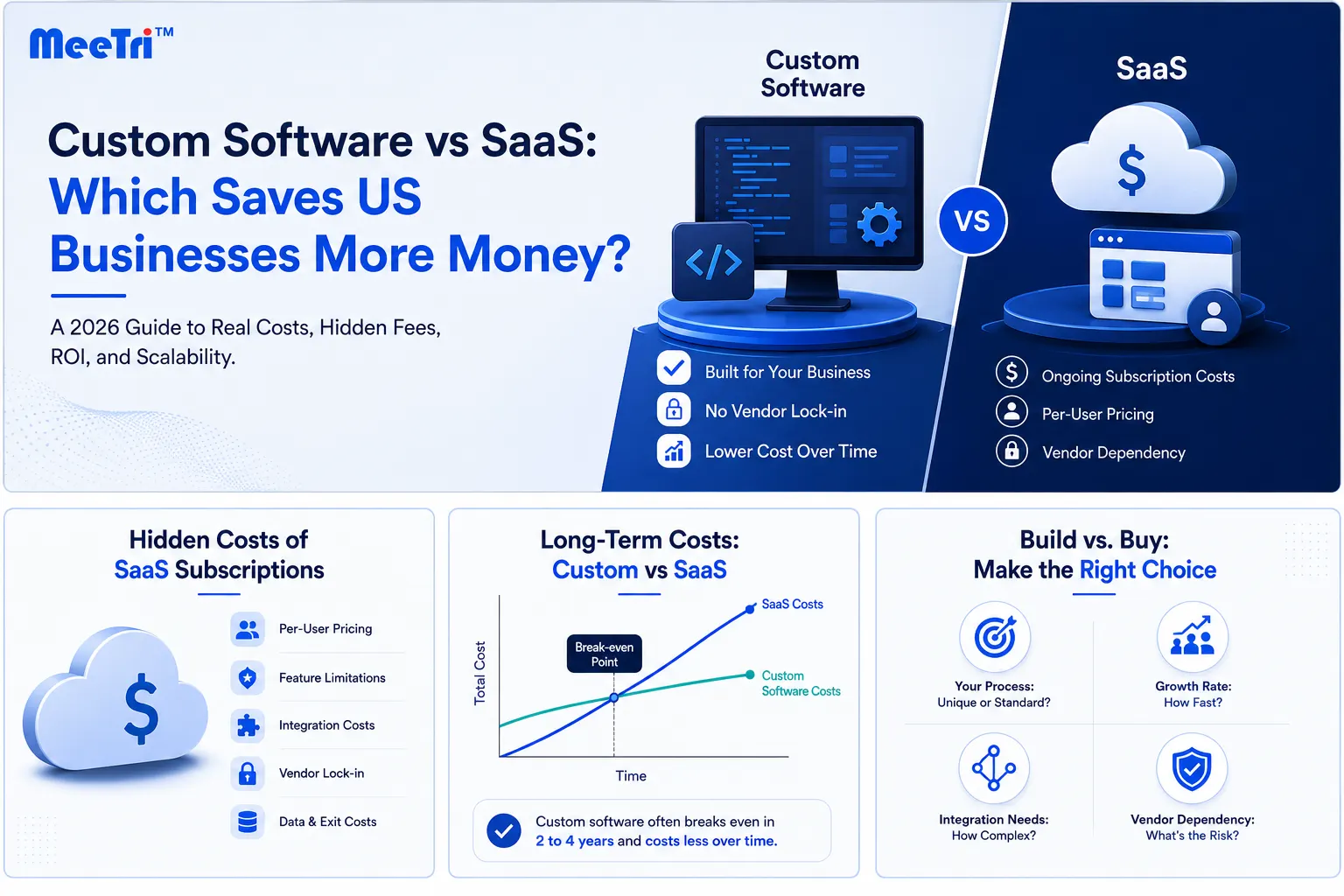
For context on what you're comparing, it's also worth understanding Custom Software vs SaaS total cost over time before making your final decision.
10. Evaluate Cultural Fit and Long-Term Alignment
Software projects are long relationships. You'll be working closely with this team through ambiguous decisions, difficult tradeoffs, and unexpected challenges. If the relationship dynamic feels transactional or uncomfortable in the sales process, it will feel worse under project pressure.
Look for a team that pushes back thoughtfully when your requirements have gaps, asks questions that reveal genuine curiosity about your business, and is honest about what they don't know.
The best software development partner USA decision is rarely just about technical capability. It's about finding a team you can trust to act in your interest when things get complicated, and they always do.
How to Use This Checklist in Practice
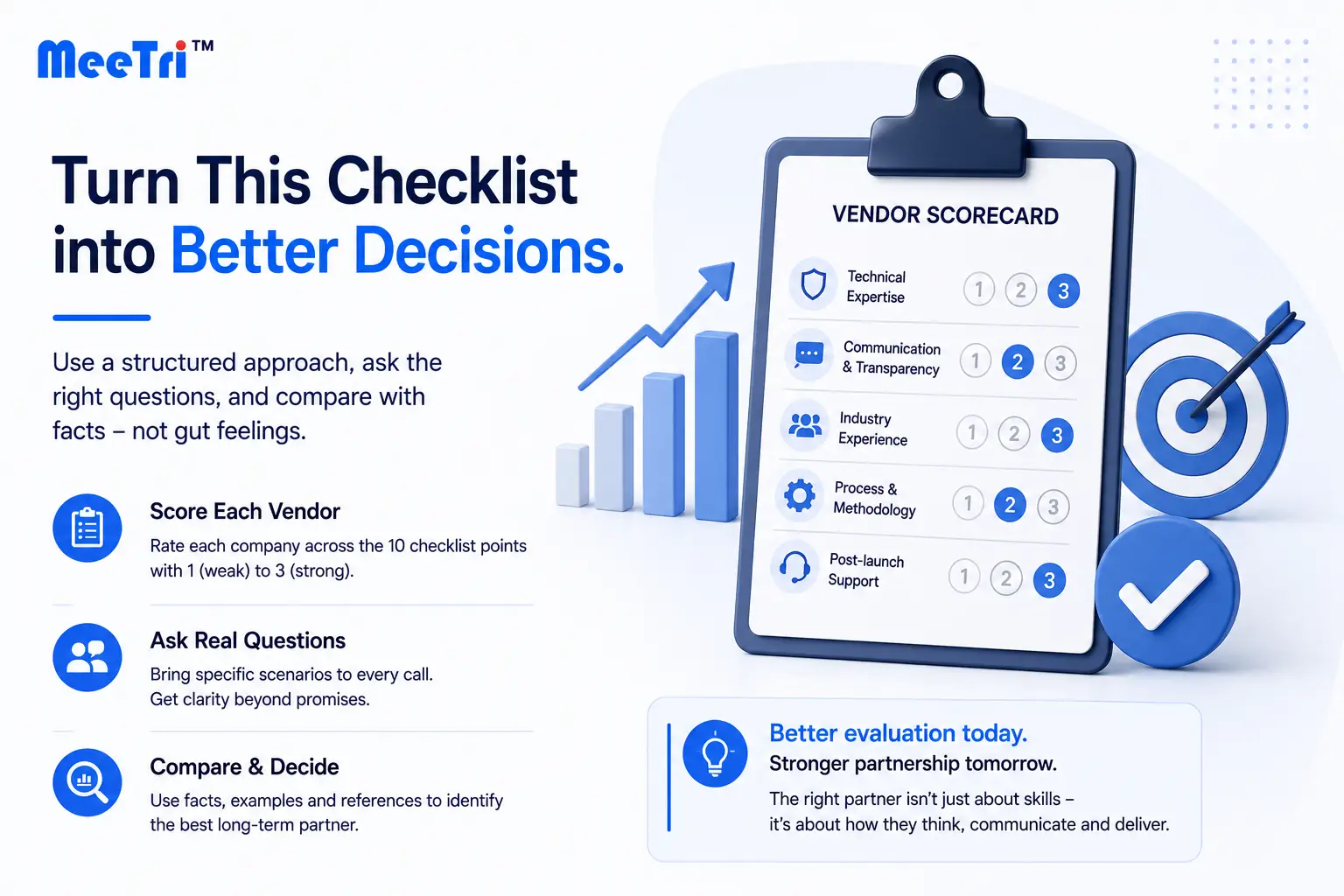
Before your first vendor call, score each company against these 10 points using a simple 1 to 3 rating. After two or three discovery calls, the differences between vendors become much clearer when you compare structured notes rather than gut feelings.
Bring specific questions to every conversation. Ask about real situations, not hypothetical ones. How did they handle a missed deadline on a past project? What's the most technically complex integration they've completed? What would they do differently on a past project if they could?
If you're ready to begin evaluating potential partners, Custom Software Development Services US conversations start with understanding your goals, not your budget. That's the filter worth applying first.
What the Best Custom Software Companies in the USA Have in Common
The best partners share a few consistent qualities regardless of size or specialisation.
They invest heavily in their discovery process because they know unclear requirements are where projects fail. They communicate proactively, especially when something isn't going to plan. They build long-term relationships rather than transactional engagements. And they have the confidence to tell you when your initial idea needs to change.
Finding a Software Development Company US that demonstrates all of these qualities takes more time upfront than simply choosing the most affordable quote. But it's that upfront investment in evaluation that separates successful projects from expensive ones.
Conclusion: Make the Vendor Selection Decision a Process, Not a Gut Call
Choosing the right custom software company in the USA is one of the highest-leverage decisions a growing business makes. Done well, it gives you a technology partner who will build systems that scale with your ambitions. Done poorly, it costs you time, money, and competitive ground you can't easily recover.
Use this checklist to bring structure to every evaluation. Ask harder questions earlier. And prioritise long-term partnership alignment over short-term cost savings.
When you're ready to start those conversations, bring your business goals, your current pain points, and this checklist. The right partner will know exactly what to do with all three.
Frequently Asked Questions
The best way to choose a custom software development company is to evaluate its industry experience, technical expertise, project delivery record, communication process, security standards, and post-launch support. Review case studies, client testimonials, development methodology, and experience with projects similar to yours. A reliable software partner should understand your business goals and provide a clear roadmap, timeline, and cost estimate before development begins.
Look for a software development partner that offers proven technical expertise, industry-specific experience, transparent communication, scalable development practices, and ongoing support. The right partner should be able to align technology decisions with your business objectives while delivering secure, high-quality software on time and within budget.
Custom software development costs depend on project complexity, required features, integrations, technology stack, and development timeline. Small business applications may cost between $20,000 and $50,000, while enterprise software projects can exceed $100,000. The most accurate estimate comes from a discovery phase that defines project requirements, scope, and technical specifications.
Before hiring a software company, ask about its experience with similar projects, development process, team structure, pricing model, project timelines, security practices, and post-launch support. You should also request case studies, client references, and examples of successful software implementations to assess their capabilities and reliability.
Evaluate a software development company by reviewing its portfolio, client testimonials, technical capabilities, industry expertise, and project management approach. Assess whether the company has successfully delivered projects similar to yours and can provide transparent communication, realistic timelines, quality assurance processes, and long-term maintenance support.
Avoid choosing a software company based solely on price, overlooking industry experience, ignoring client reviews, and failing to verify technical expertise. Other common mistakes include unclear project requirements, poor communication expectations, and neglecting post-launch maintenance and support. Selecting a partner based on value, expertise, and long-term fit helps reduce project risks and improve outcomes.